In all the excitement of the wedding - finding the dress, décor, etc. - you need to remember there’s the official side of things to care of, too. You’ll need a marriage certificate from the Department of Home Affairs in order to get married.


Your registered marriage officiate, who is essential to the marriage process, will typically sort the certificate and marriage registration out for you as part of his or her service. The process should be started four to six months in advance to be sure you get the documents on time, but you can do so later than that.
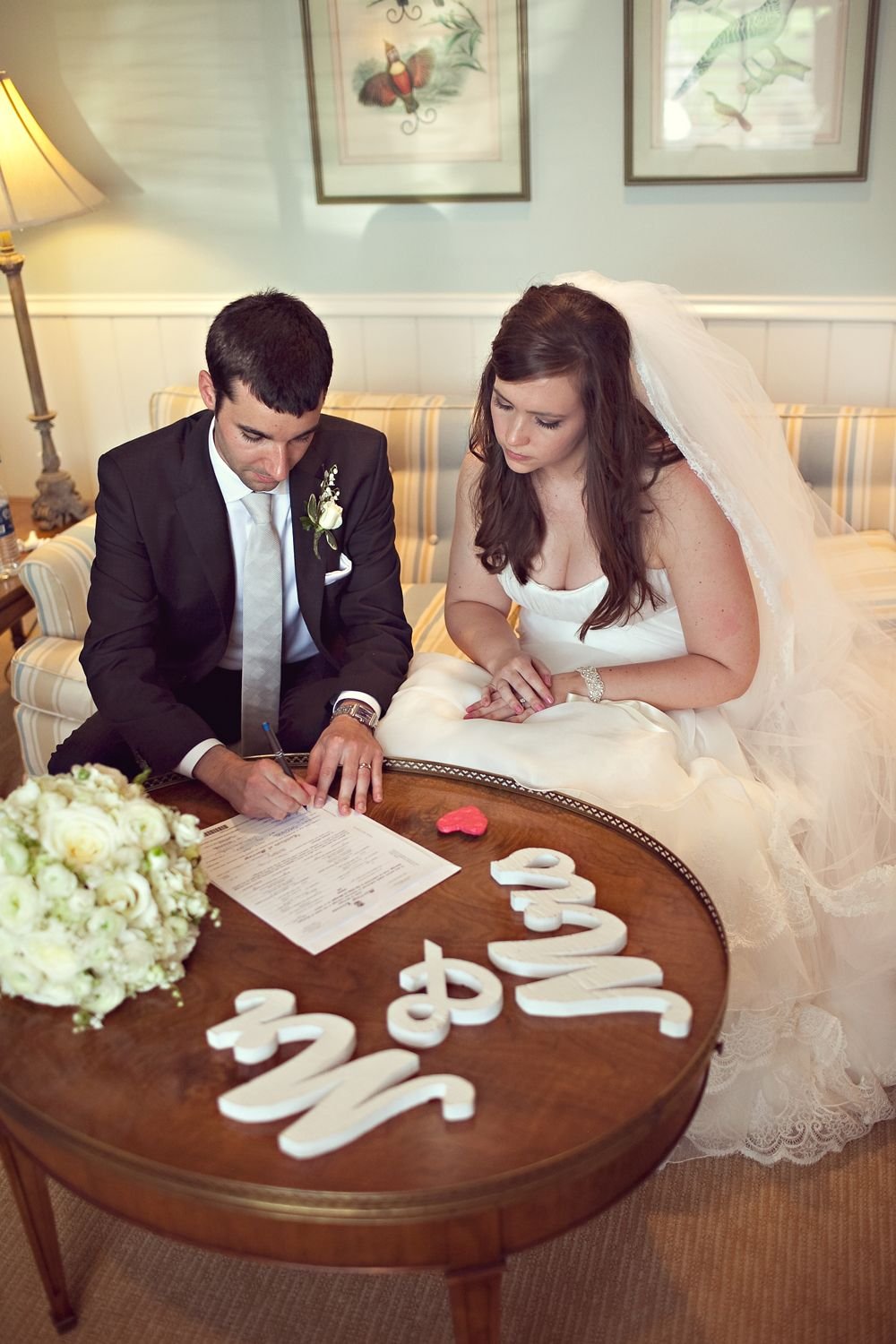
The certificate must be signed by both marriage partners in the presence of a registered officiate, as well as by two witnesses. The officiate must then give you a copy of the marriage certificate. This copy is normally free. The officiate must then register your marriage with Home Affairs. The certificate will be recorded within the National Population Register.
If you need further abridged or unabridged copies you need to apply for this at Home Affairs as soon as possible after your wedding. It is recommended to have unabridged copies. The unabridged certificate contains more of your personal details. They are necessary for the application to immigrate into another country with your spouse, by some financial institutions, and by the government in some cases. It’s a good thing to have.
To get the unabridged certificate, you’ll need to fill in the BI-130 form with black ink, and pay any required fees, at Home Affairs.
If the traditional white wedding is not for you and prefers the official route, you can get married at your nearest Home Affairs office. There is normally no cost to do so. To marry at Home Affairs you need to:
Getting your certificate is straight-forward. Just be sure to have all the correct documentation at hand and that your marriage officer is authorised to perform your marriage.
If you are not sure what to do, set up a meeting with a marriage officer for clarification.

Happly is coming soon, be the first to sign up when we launch!